



Activated Carbon
Activated carbon is a form of carbon that has numerous pores and a high surface area, also known as activated charcoal. It possesses the highest physical adsorption capability and comes in various forms, including powder, granular, extruded, pelletized, and polymer-impregnated. Activated carbon does not bind to specific chemicals such as alcohols, acids, strong bases, metals, or many minerals like lithium, sodium, iron, arsenic, fluorine, boric acid, and carbon monoxide, but it is a good adsorbent for iodine.
Synthesis of Activated Carbon
Activated carbon is derived from the pyrolysis of carbon sources such as bamboo, coconut shells and walnuts, coal, lignite, wood, and petroleum residues, and is subsequently activated through specific processes. Activation is carried out using two methods:
- Physical activation
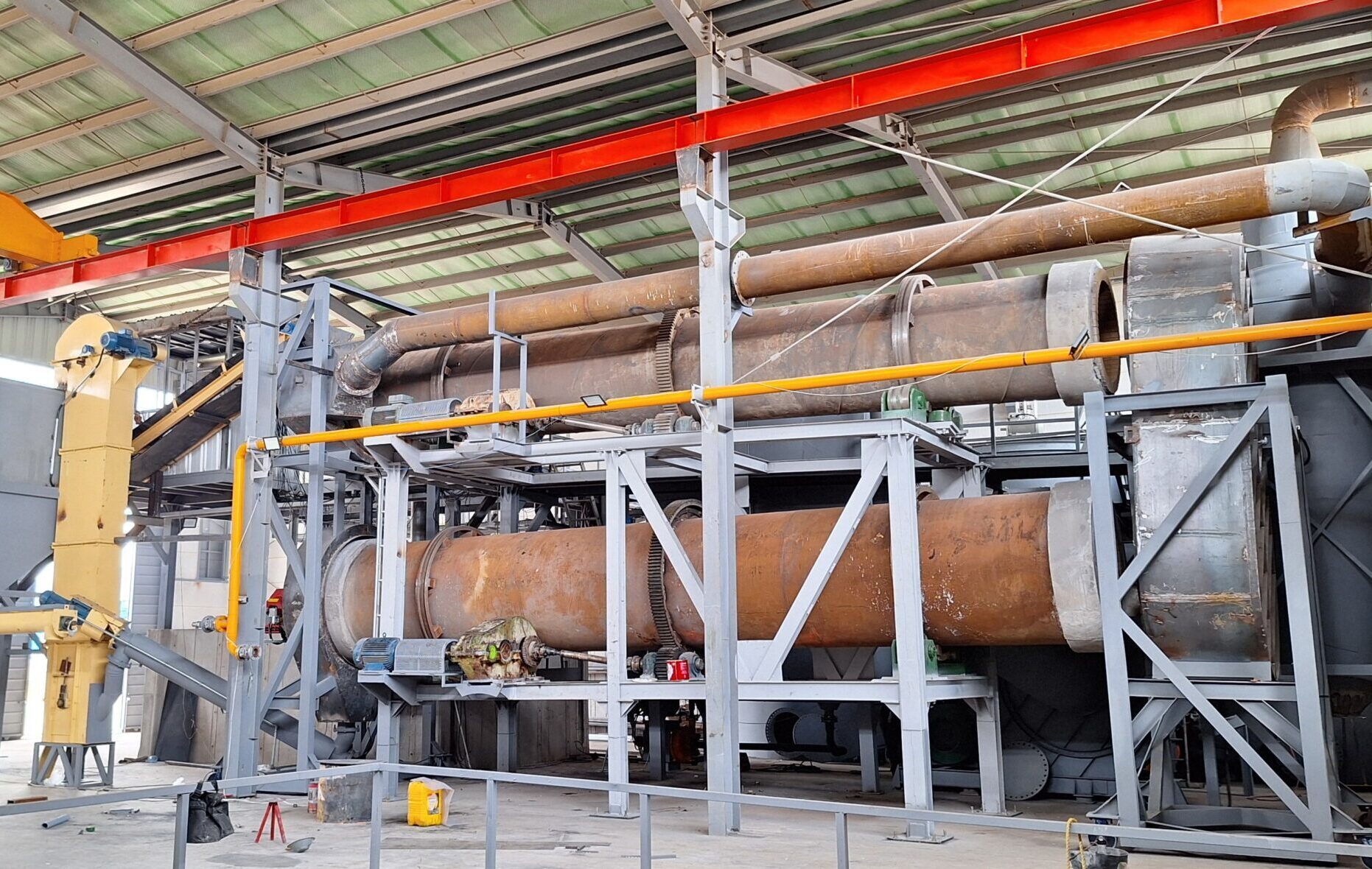
In this method, the raw materials are mixed with heated gases in a vacuum. Then, these materials are heated to a temperature between 600 and 900 degrees Celsius. Typically, the reaction environment is filled with argon or nitrogen gases. This stage is called carbonization. Subsequently, for activation and oxidation, the materials are exposed to oxidizers such as oxygen, carbon dioxide, or steam at temperatures between 600 and 1200 Celsius degrees. Activated carbons produced using this method usually have fine pores and are suitable for adsorbing substances from liquids and gases.
- Chemical activation
Raw materials are impregnated with specific chemicals such as acids, bases, and salts (phosphoric acid, potassium hydroxide, sodium hydroxide, calcium chloride, aluminum chloride, zinc chloride). The materials are then carbonized at temperatures between 450 to 900 degrees Celsius. In this method, high-temperature heating decomposes hydrates, carbonates, and other compounds, transforming the carbon structure into an amorphous form and creating a porous structure with a high surface area. Activated carbon produced by this method has numerous pores and is suitable for adsorbing large molecules.
Chemical activation is superior to physical activation because it requires lower temperatures and shorter activation times.
Some applications of activated carbon are as follows:
- Removal of odors, color, and contaminants in water treatment
- Improvement of color and taste of fruit juices in food manufacturing plants
- Air purification
- Separation of carbohydrates in chemical industries
- Use in agricultural and horticultural pesticides
- Use in various industries such as leather tanning, gold recovery, etc.
The Faramine Asia industrial and Mining Group is capable of providing services in the field of activated carbon. For specialized consultation on activated carbon production, please use the contact section of Faramine Asia’s website.
Post a comment
Related Posts
boric acid
What is boric acid? Boric acid is a weak inorganic acid used in various industries.…
Phosphoric acid
Phosphoric acid (H₃PO₄) Phosphoric acid is a highly significant raw material for companies due to…

Activated Carbon
Activated Carbon Activated carbon is a form of carbon that has numerous pores and a…
Phosphate derivatives
Phosphorus is a chemical element with the symbol P and atomic number 15. Phosphorus exists…