



Phosphoric acid (H₃PO₄)
Phosphoric acid is a highly significant raw material for companies due to its extensive applications across various industrial sectors and product manufacturing. Phosphoric acid is one of the most crucial substances used in the production of various products such as fertilizers, pesticides, disinfectants, and more.
First Method of Phosphoric Acid Production (Wet Process):
In this method, H₃PO₄ is produced using phosphate rock and sulfuric acid. This type of chemical reaction is considered complex.
Initially, the phosphate rock must be dried and crushed, then mixed with sulfuric acid and added to the reactor, yielding calcium sulfate, commonly known as “plaster.” During the crushing of phosphate rock in the mill along with phosphoric acid, a substance is obtained. This substance is transferred to the reactor along with 55% H₃PO₄ and mixed with sulfuric acid, resulting in gases including silica and fluorine, phosphoric acid, and calcium sulfate.
To concentrate phosphoric acid, vacuum evaporators are used. These evaporators can increase the concentration from 30% to 54%.
The second method of producing phosphoric acid (dry method)
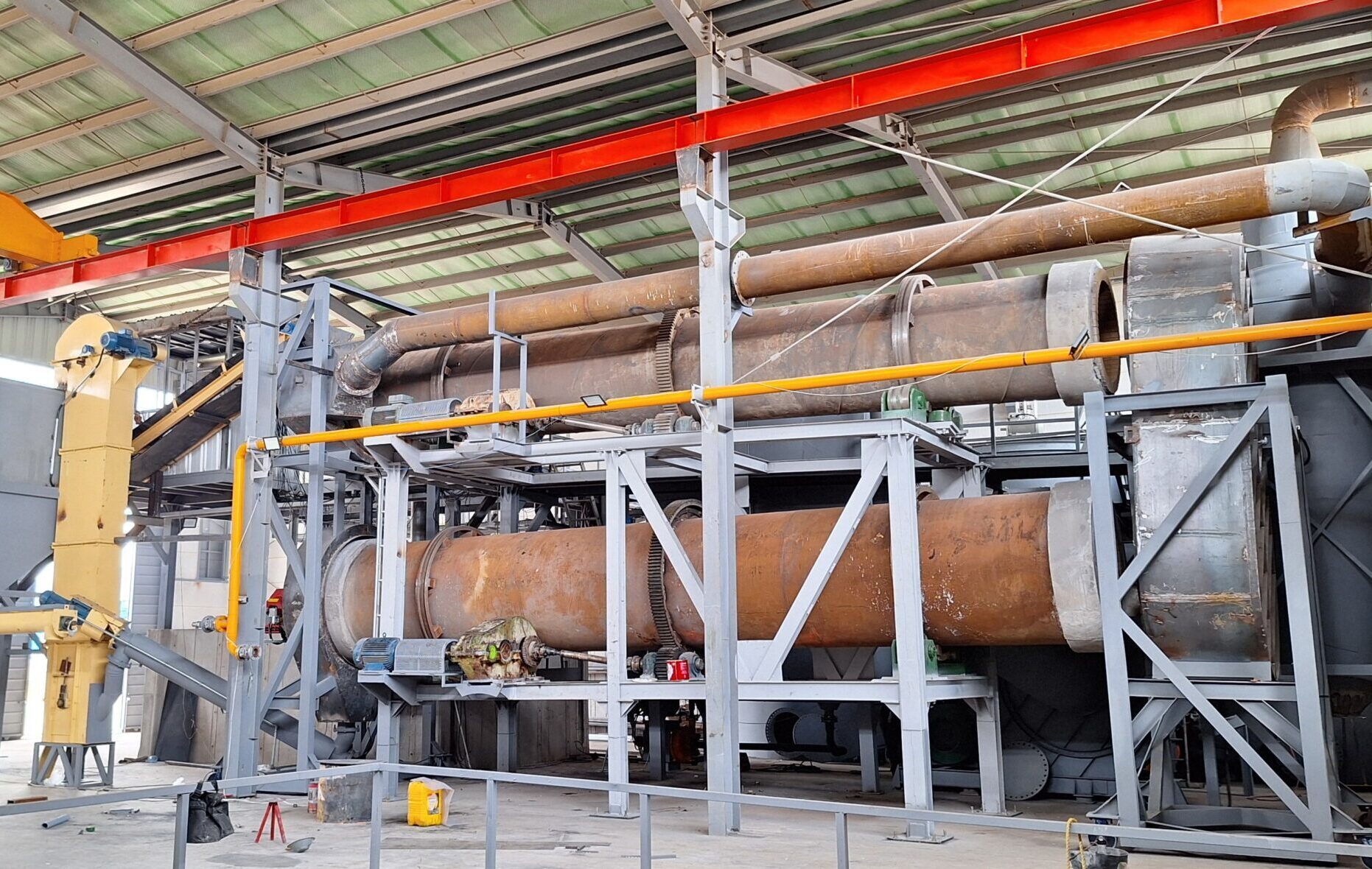
In this method, initially, the phosphate rock must be crushed to a size of 1.5 to 3 centimeters. Then, it is dried in dryers at a temperature of 450–600 degrees Celsius until its moisture content reaches 1.5 percent. After that, the phosphate rock is placed in electric furnaces with a mixture of carbon and quartz, and ultimately phosphorus is produced.
The furnace is of the electric arc type, and at temperatures between 1200 and 1500 degrees Celsius, white phosphorus is released as gases along with some dust from the furnace. After passing through the condenser, the phosphorus vapor is converted into solid phosphorus, which is collected at the bottom of the tower in the receiving section. The solid phosphorus, along with some sludge and water, is sent to the purification section, where it is washed with steam and separated from the sludge using density differences, settling at the bottom of the purification tank.
The white phosphorus produced in this stage is sprayed with pressure along with air to the upper part of the combustion chamber.
Which method of acid production is better?
Nowadays, due to the high energy consumption of the thermal (dry) method, efforts are increasingly directed towards the production of phosphoric acid using the wet method. However, for very specific applications, it is necessary to produce phosphoric acid using the kiln method. The H₃PO₄ produced by the wet method is primarily used for the production of chemical fertilizers. In cases where purer acid is required, the acid from the wet process can be refined to obtain a clearer acid with a higher degree of purity.
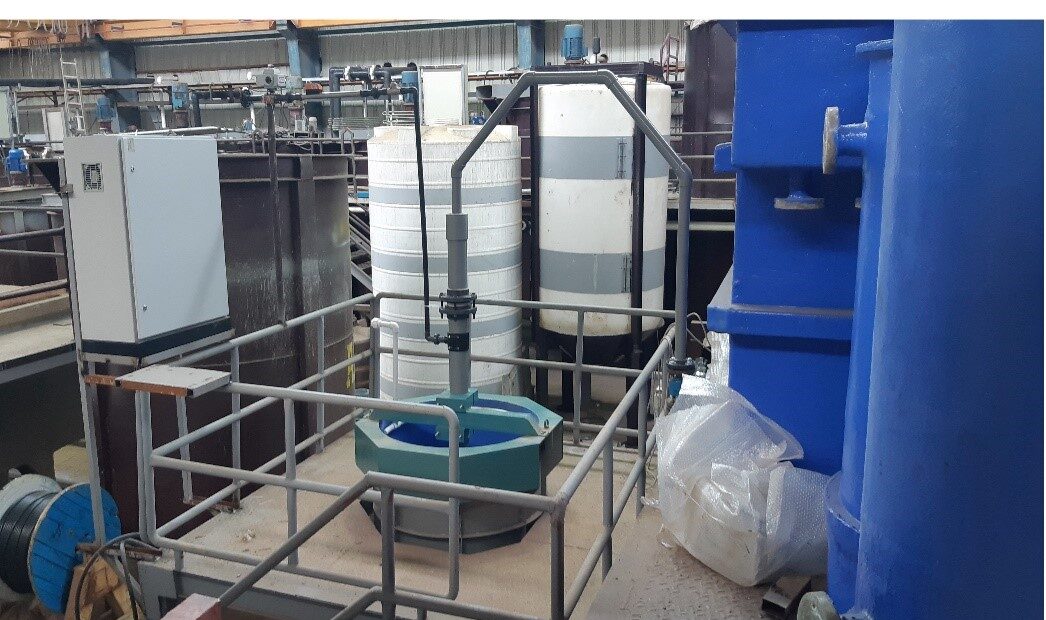
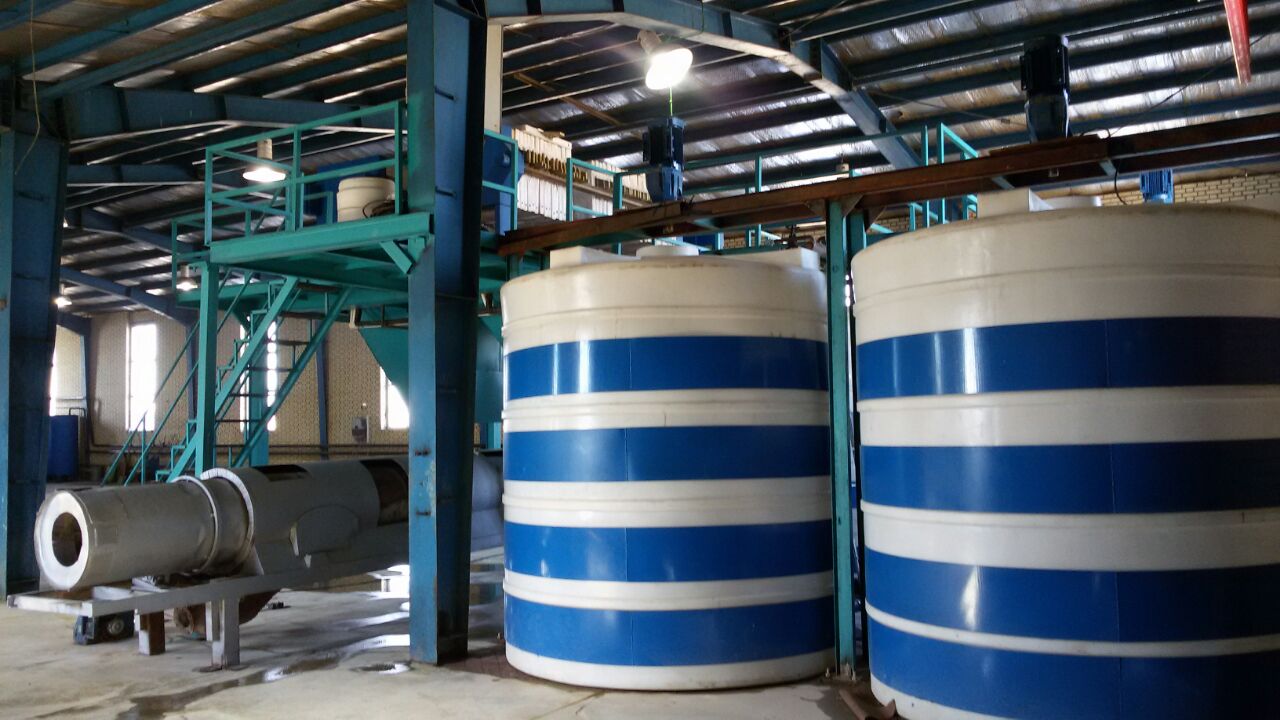
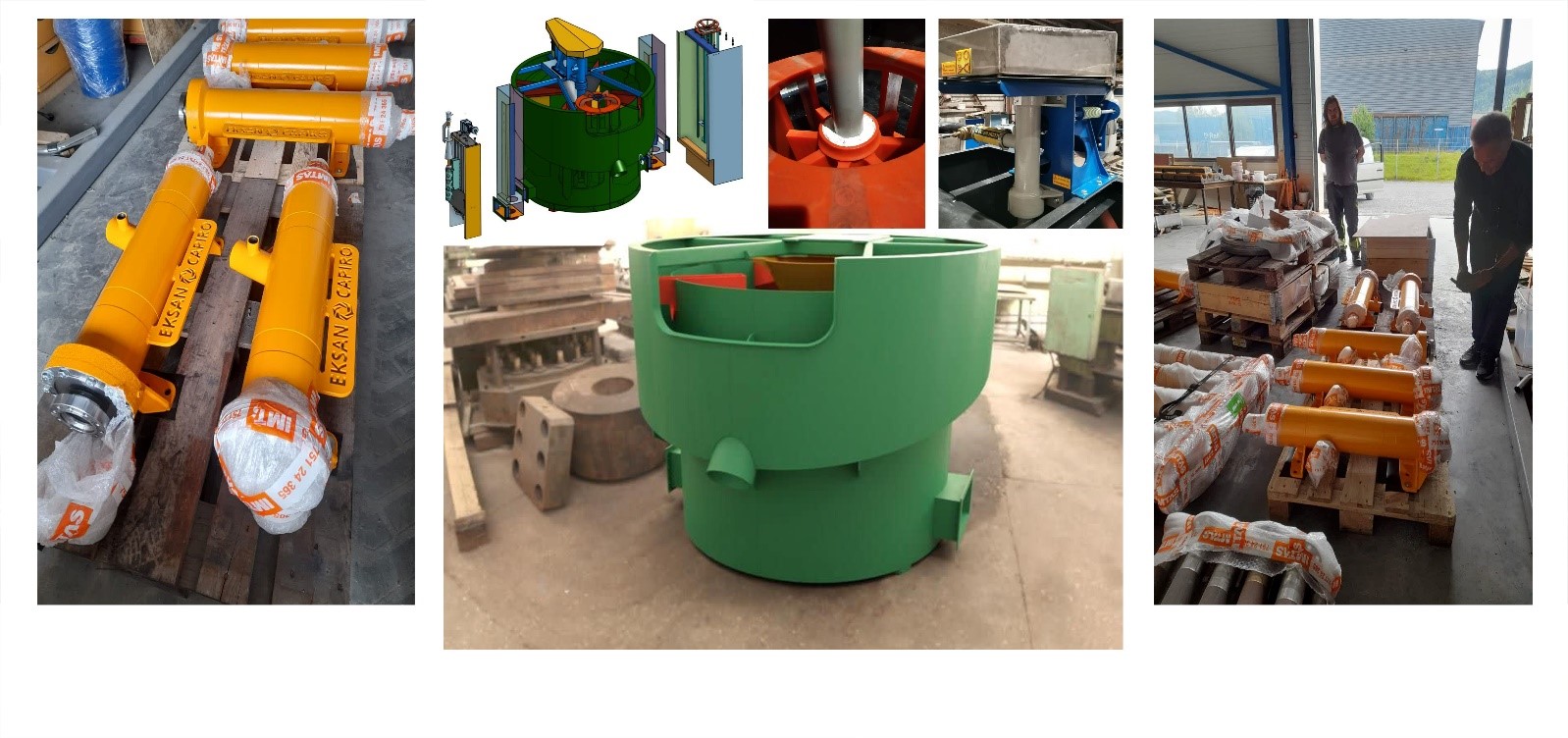
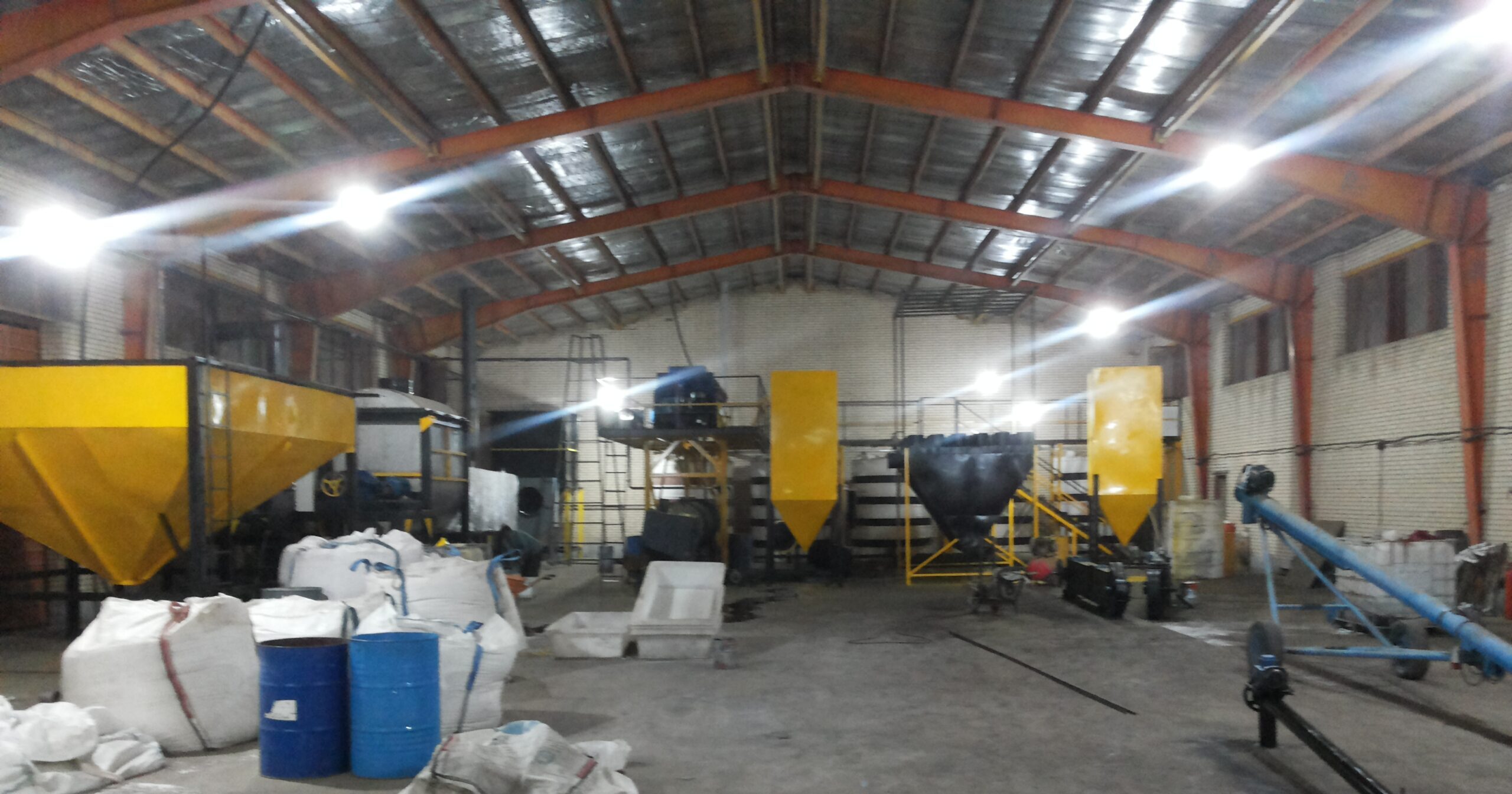
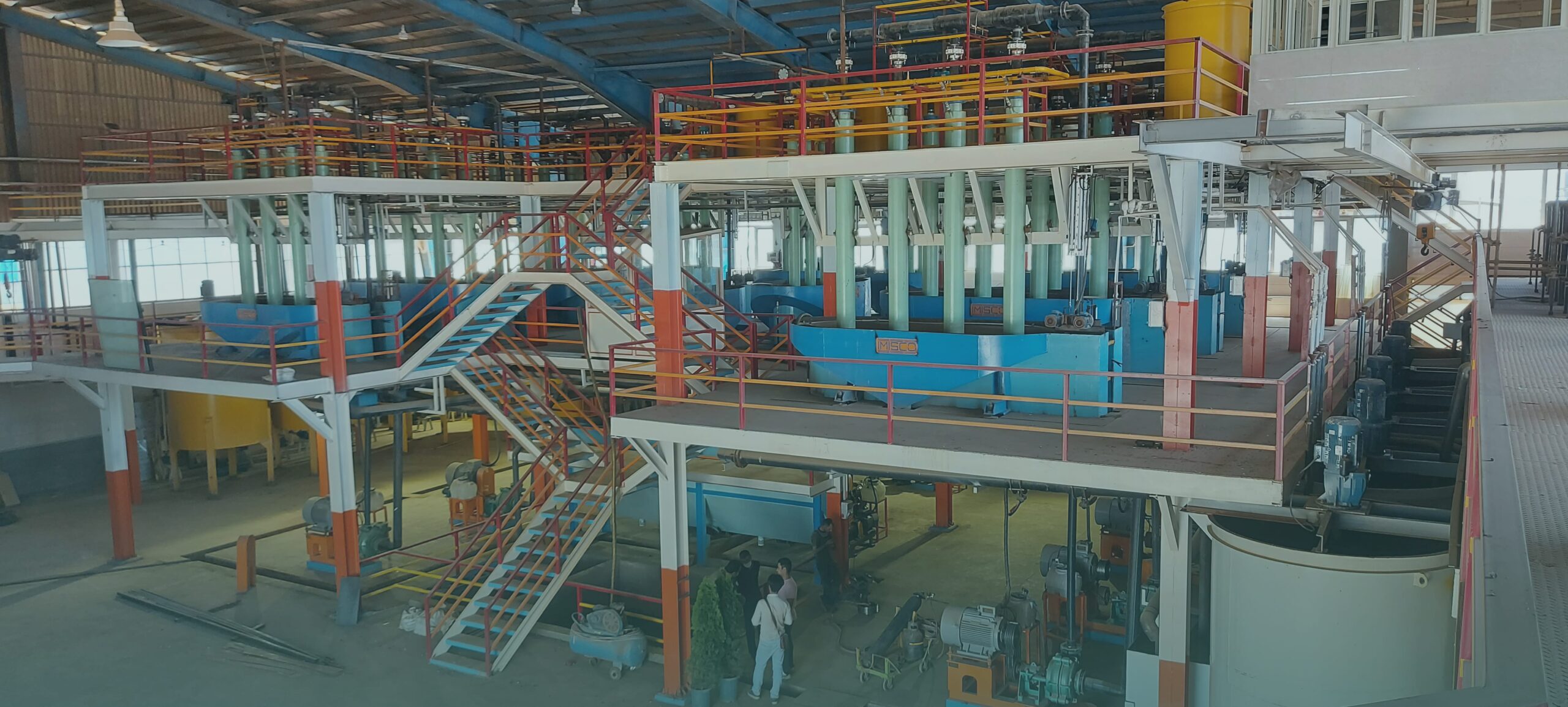
- Some of the devices and equipment required for production:
- Tanks for storing sulfuric acid and phosphoric acid
- Acid-resistant pumps
- Screens and mills
- Elevators and conveyors
- Reactors for production units, concentration, and purification
- Industrial filters
- Heaters and burners for the production and concentration units
Post a comment
Related Posts
boric acid
What is boric acid? Boric acid is a weak inorganic acid used in various industries.…
Phosphoric acid
Phosphoric acid (H₃PO₄) Phosphoric acid is a highly significant raw material for companies due to…

Activated Carbon
Activated Carbon Activated carbon is a form of carbon that has numerous pores and a…

Phosphate derivatives
Phosphorus is a chemical element with the symbol P and atomic number 15. Phosphorus exists…